
Brown butter, also known as beurre noisette, is a simple yet powerful ingredient that enhances both sweet and savory dishes with a rich, nutty aroma. Follow this step-by-step guide to learn how to make perfectly browned butter every time.
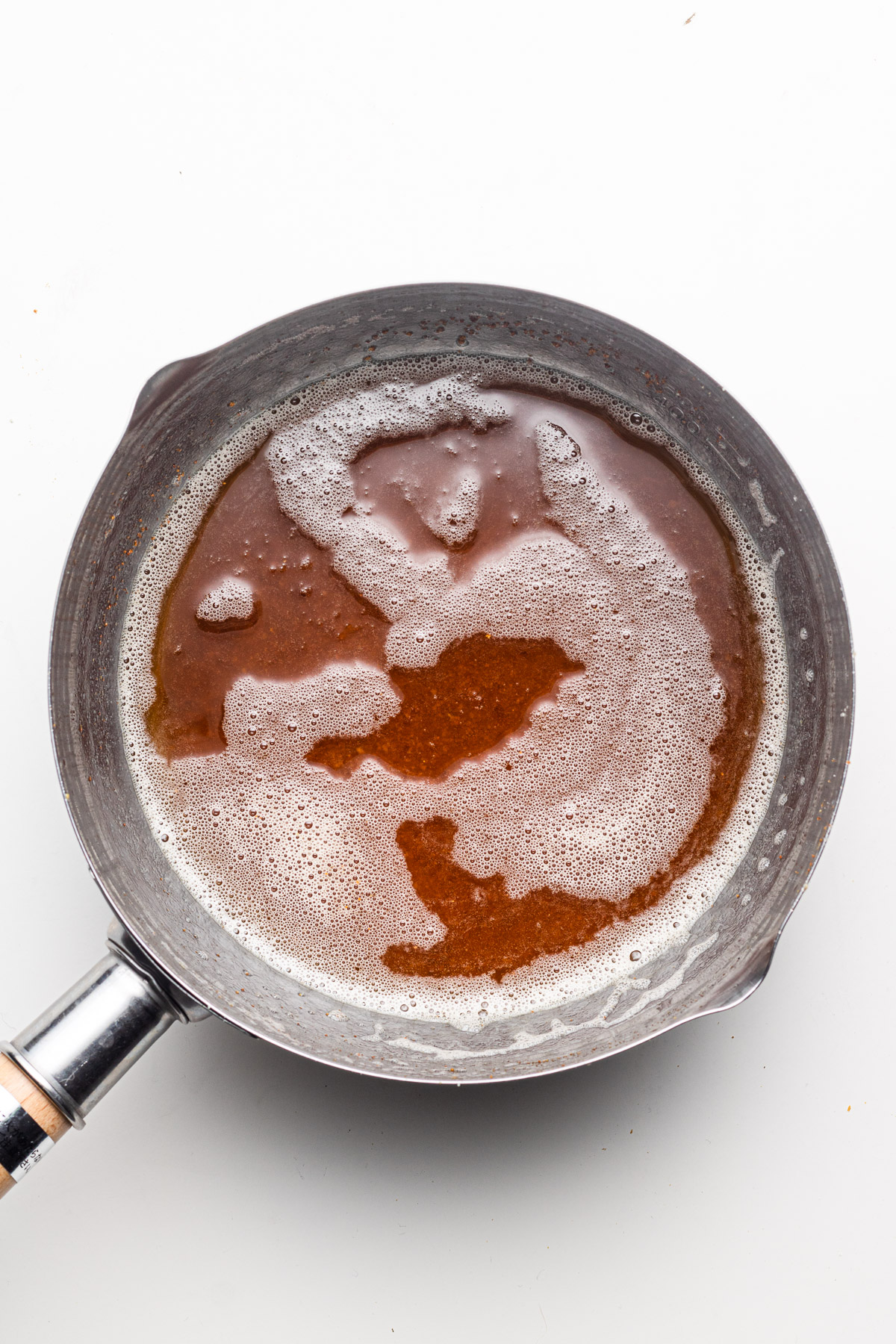
Table of Contents
What is Brown Butter?
Brown butter is regular butter that has been melted and cooked until the milk solids toast, resulting in a golden-brown color and deep, nutty flavor. This process intensifies the butter’s taste, making it an ideal addition to baked goods, sauces, and savory dishes.
How to Make Brown Butter
- Melt the Butter: Place the butter in a light-colored saucepan over medium heat. Stir occasionally as it melts completely.
- Foaming Stage: Once melted, the butter will start to foam as the water content evaporates. Stir constantly to ensure even cooking.
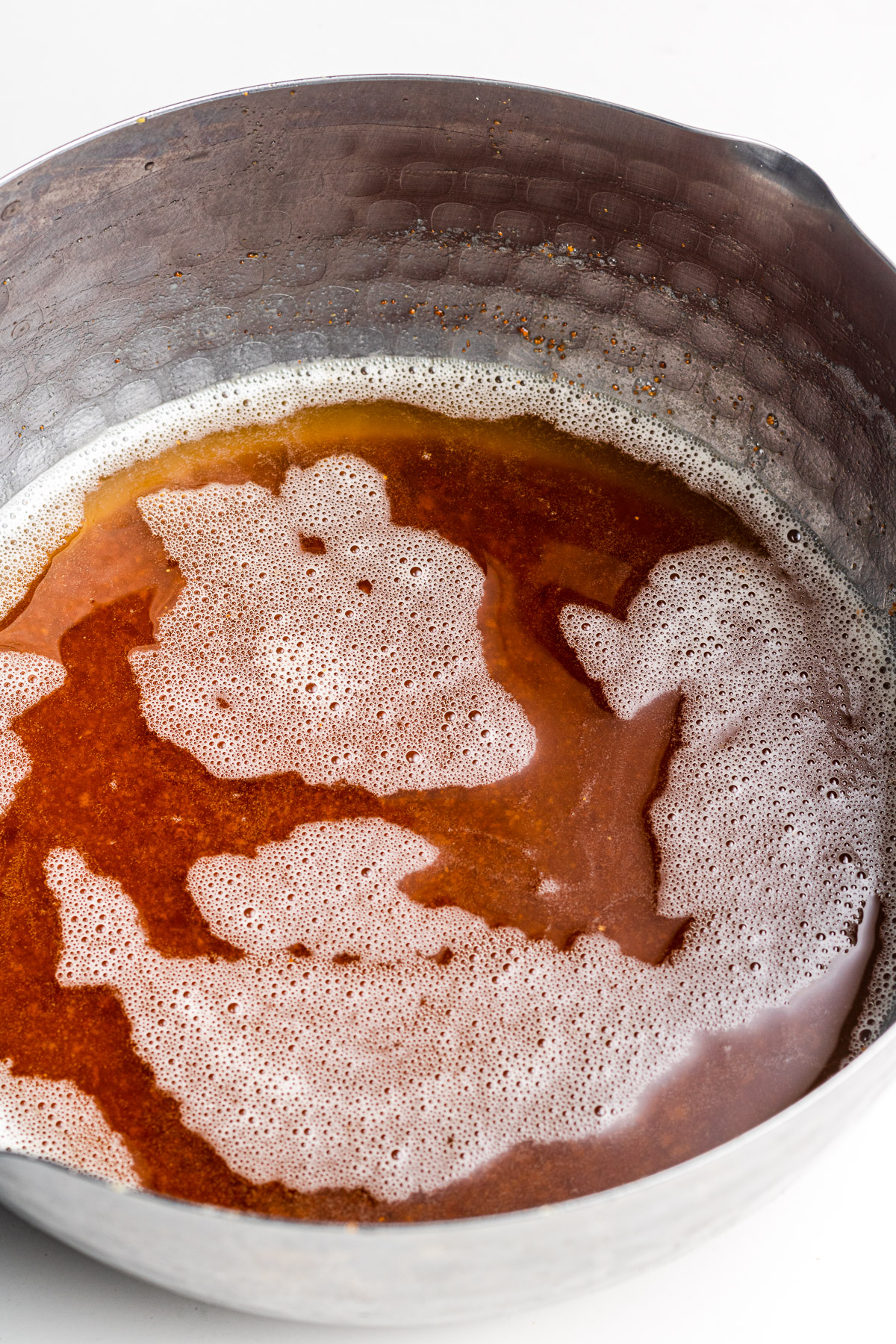
- Browning the Milk Solids: After a few minutes, the milk solids will separate and begin to turn golden brown. The butter will release a nutty aroma.
- Remove from Heat: Once the butter reaches a deep golden-brown color and the milk solids are toasted (but not burned), remove it from heat immediately.
- Strain (Optional): If you prefer clarified brown butter, strain it through a fine-mesh sieve to remove the milk solids.
Extra Strong Double Brown Butter
For a more intense nutty caramelized flavor, follow these additional steps:
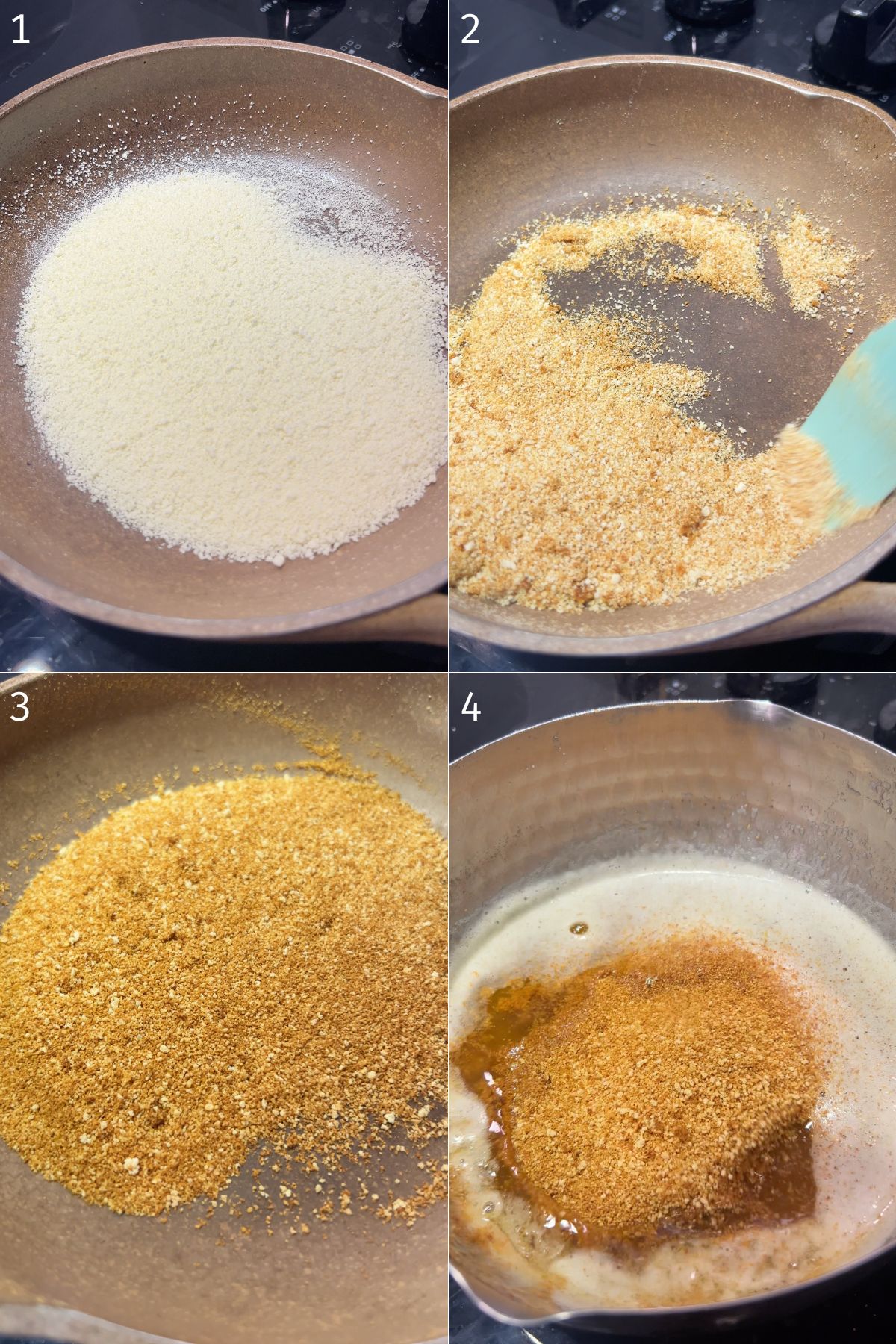
- Toast the Milk Powder: In a dry skillet over medium heat, add the milk powder. Stir continuously as it toasts, since it can brown quickly. Keep an eye on it and stir to ensure it doesn’t burn. It should take just a few minutes to achieve a golden-brown color and a nutty aroma.
- Combine: Once the milk powder is toasted and the butter has browned, mix the two together. Stir the toasted milk powder into the brown butter, ensuring it’s fully incorporated.
How to Substitute Brown Butter in Recipes
Brown butter can be used as a direct substitute for regular butter in most recipes, but because some moisture evaporates during the browning process, small adjustments may be necessary. For every 1 cup (227g) of butter, you’ll end up with about 190g of brown butter due to water loss. In savory dishes like pasta, risotto, or sauces, you can swap brown butter 1:1 by weight or volume without any issues. However, in baking, where precise measurements matter, always measure the brown butter after cooking to ensure accuracy.
For baking, cookies and brownies work well with slightly less brown butter (about 85-90% of the original amount), while cakes and muffins benefit from adding 1-2 teaspoons of liquid per ½ cup of brown butter. If a recipe calls for ½ cup melted butter, you may need to start with 8 ½ to 9 tablespoons of butter before browning or add a tablespoon or two of milk to compensate. If using brown butter in frostings or pastry dough, chill it until solid before incorporating.
Lisa’s Recipe Tips
- Use a Light-Colored Pan: This helps you see when the milk solids turn golden brown and prevents burning.
- Stir Constantly: This ensures even cooking and prevents hot spots from burning the butter.
- Adjust intensity: For a light nutty flavour, remove from heat and pour into a heat proof bowl once golden in colour. The longer you cook the milk solids, the more intense in flavour it gets. I like to go as deep and dark as possible, boarder-line burnt for maximal flavour. Timing and experience is key to achieve this. You can always take it off the heat and brown a bit more later if you like but once its burnt, its burnt.
Vegan, Dairy Free or Plant Based Butter for Brown Butter
You can brown vegan butter but it will depend on the brand. Some plant-based butters do not contain the necessary ‘milk’ solids to brown properly. Miyoko’s works best for browning, or you can make plant-based butter. Check out my vegan butter recipe that browns. You can also add a bit of almond flour to dairy-free butter and brown the almond solids as a substitute for milk solids.
Recipes Using Brown Butter
- Brown Butter Shortbread
- Brown Butter Chocolate Chip Cookies
- Brown Butter Miso Shortbread
- Vegan Brown Butter Chocolate Chip Cookies
- Miso Maple Brown Butter
- Burnt Miso Brown Butter Banana Bread
How to Store Brown Butter
- Refrigerator: Pour into a heatproof glass container and store for up to 2 weeks.
- Freezer: Pour into silicone molds or ice cube trays for easy portioning. Store for up to 3 months.
Recipe FAQ
For the best results, use unsalted, high-quality butter with a high butterfat content. European-style butters (such as Kerrygold) have less water and more fat, making them ideal for browning.
It depends on the pot and heat level. Using a skillet, 2 sticks of butter takes about 10 minutes, while a saucepan takes 15-20 minutes due to slower heat distribution.
1 stick (113g) of butter will yield about 90-95g of brown butter due to moisture loss.
If you accidentally burnt your butter, strain the solids and keep the fat. You can use the fat directly or add some new toasted milk solids.
Enjoy! If you make this Brown Butter recipe, I’d love to hear what you think! Leave a comment and rating below, and if you share it on social media, tag me on Instagram @Okonomikitchen. I can’t wait to see your creations!
Print
How to Brown Butter (Step by Step)
- Total Time: 20 minutes
- Yield: 3/4 cup
- Diet: Vegetarian
Description
Brown butter, also known as beurre noisette, is a simple yet powerful ingredient that enhances both sweet and savory dishes with a rich, nutty aroma. Follow this step-by-step guide to learn how to make perfectly browned butter every time.
Ingredients
- 1 cup (2 sticks) butter
- 4–6 tbsp milk powder
Instructions
- Prepare Your Pan & Butter: Cut the butter into chunks for even melting. Place your saucepan over medium heat and add the butter. If using a small, deep pot, expect the process to take slightly longer.
- Melt & Stir Occasionally: As the butter melts, stir occasionally with a whisk or spatula. It will start to bubble and turn translucent.
- Watch for Foam Formation: After 5-8 minutes, the bubbles will turn into foam. At this point, it becomes harder to see what’s happening underneath, so whisk frequently. This is when the browning begins so don’t step away!
- Look for Browning Milk Solids: As you stir through the foam, you’ll start to see specks of milk solids. They’ll start turning light brown after about a minute, and the butter itself will take on a golden hue.
- Remove from Heat at the Right Moment: Once you see golden-brown bits forming at the bottom and smell a nutty, toasty aroma, take the pan off the heat immediately. Keep whisking, as the residual heat will continue darkening the butter to a rich amber color.
- Depending on how ‘brown’ you want your butter, you can take it off when its golden brown or deep golden brown. Golden brown butter will yield a nutty-caramelized flavour. A deep golden brown will give you a deeper and toasty nutty flavour.
- Pour & Scrape the Brown Bits: Transfer the browned butter into a heatproof measuring glass, making sure to scrape all the flavorful brown bits from the bottom of the pot.
For extra strong brown butter:
- Toast milk powder: In a separate dry pan, add milk powder over medium heat. Stir continuously with a spatula until the milk powder turns golden brown (this happens quickly, so don’t walk away).
- Combine: Immediately whisk the toasted milk powder into the browned butter. This intensifies the nutty, caramelized flavors and takes it to the next level!
- Cool & Use: Let the butter cool before using it in a recipe. You can use it in its melted form or chill it to solidify, depending on your needs.
- Cook Time: 20 minutes
- Category: Condiments
- Method: Stove top
- Cuisine: American
Nutrition
- Serving Size: 1 tbsp
- Calories: 112
- Sugar: 0
- Sodium: 0
- Fat: 12.7 g
- Saturated Fat: 7.9 g
- Unsaturated Fat: 4 g
- Trans Fat: 0.5 g
- Carbohydrates: 0
- Fiber: 0
- Protein: 0.1 g
- Cholesterol: 31 mg
Okonomi Kitchen is a participant in the Amazon Services LLC Associates Program. When you purchase something through my amazon affiliate links, I earn a small commission that helps me produce consistent content at no cost to you. Thank you for your support!





This method of browning butter was so flavourful. My cookies turned out amazing