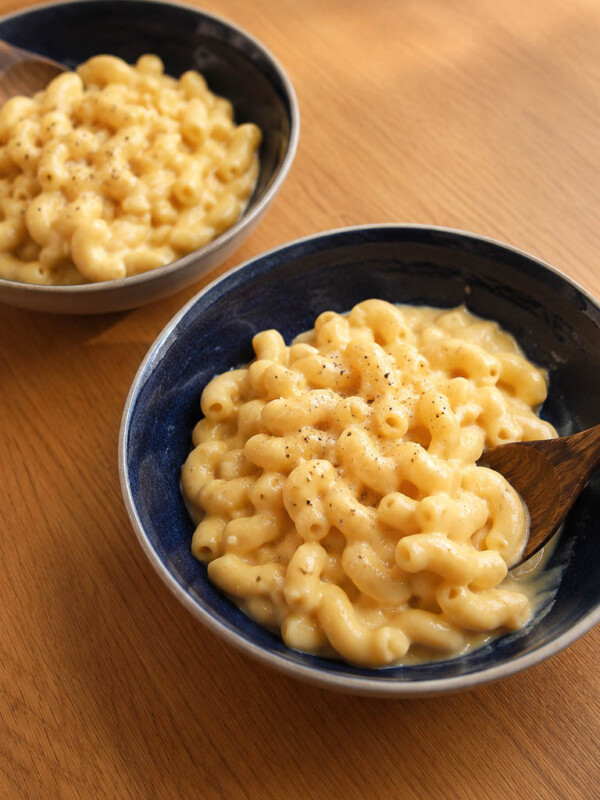
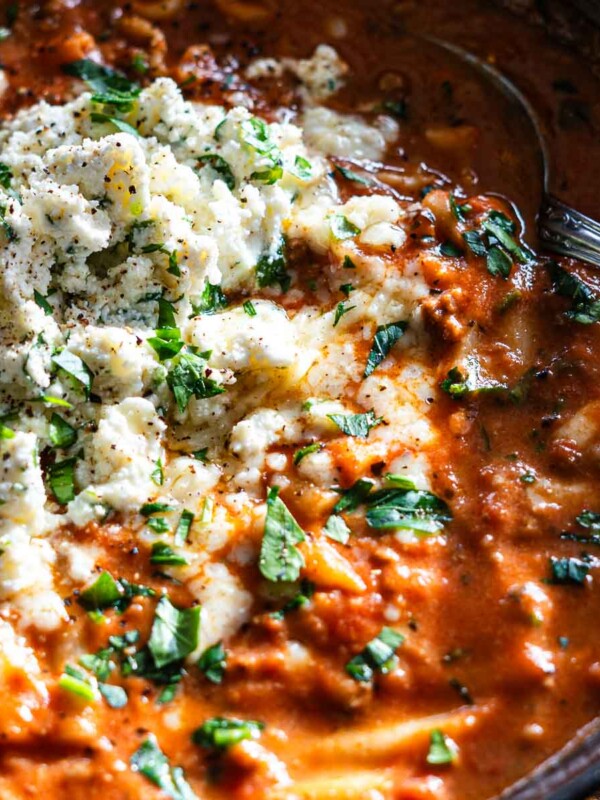
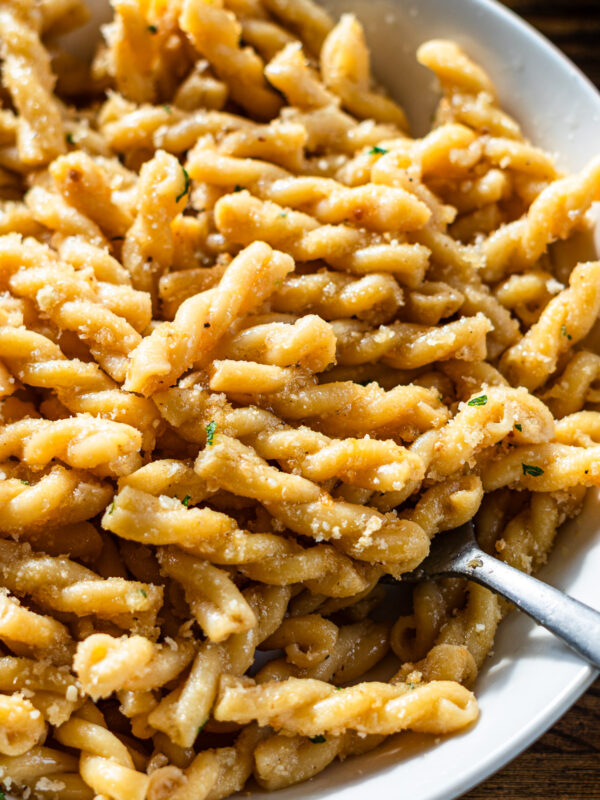
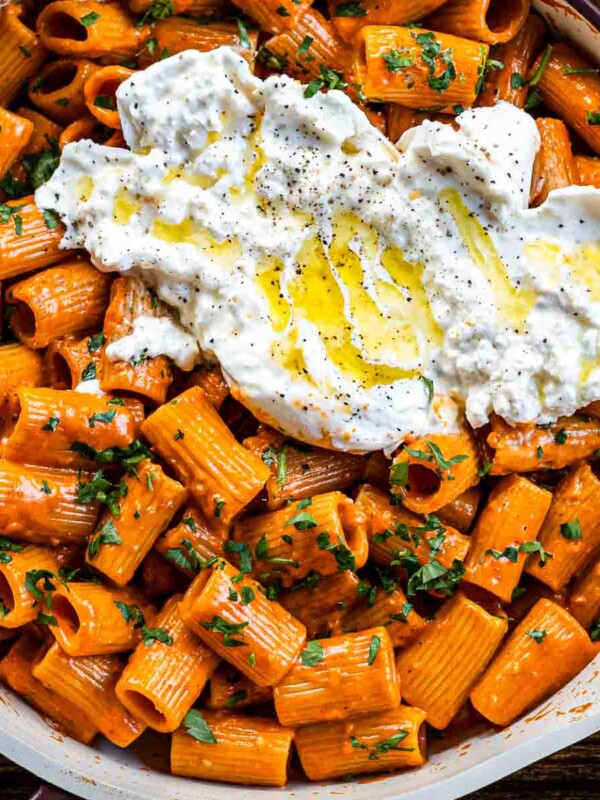
Soy Sauce Buttered Noodles are so easy to make and take just 10 minutes! Butter, soy sauce, and starchy pasta water form a glossy sauce that clings to every strand. This simple, comforting dish is perfect for a fast weeknight dinner or a no-fuss girl dinner.
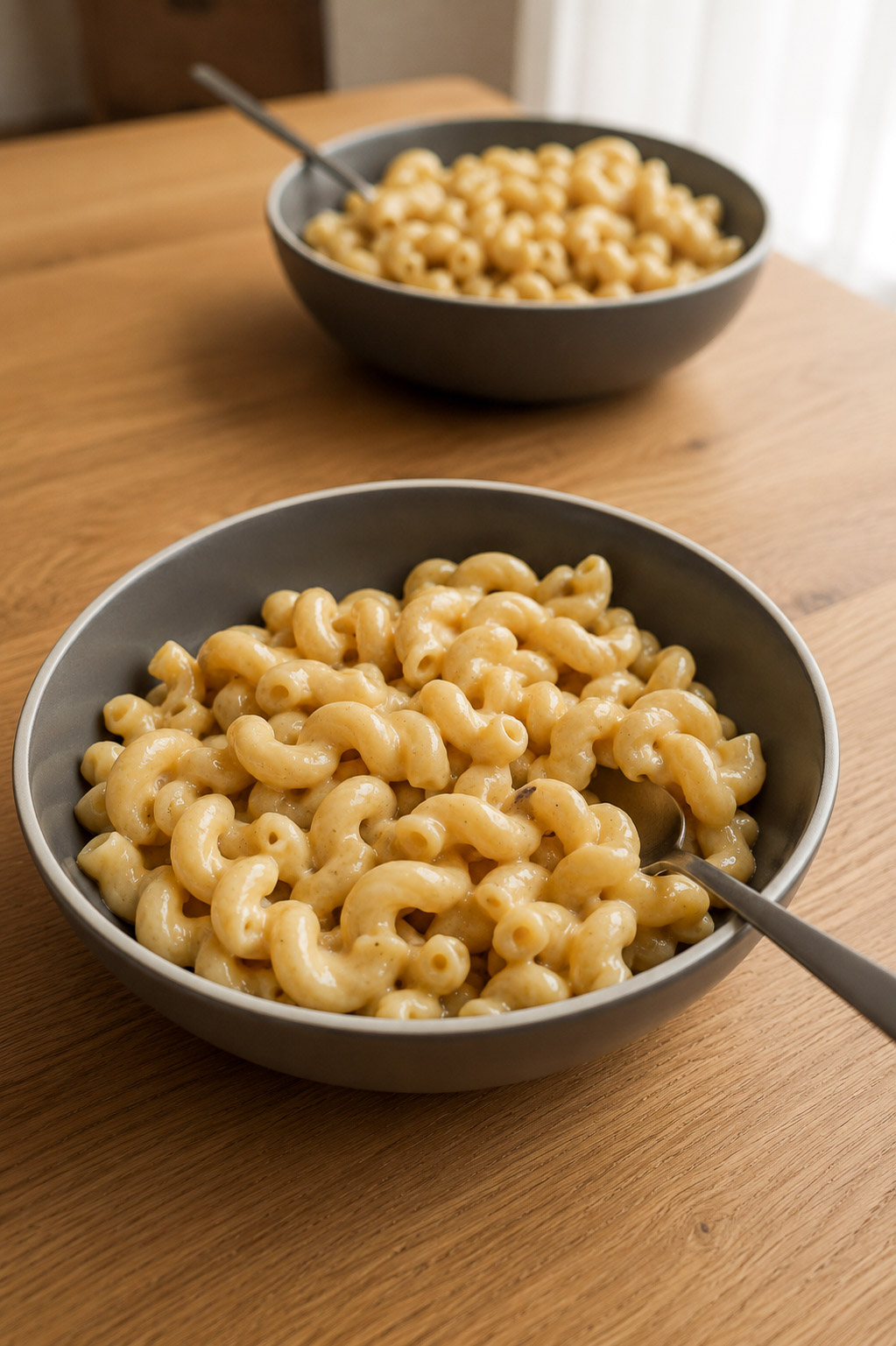
Table of Contents
Butter Noodles with Soy Sauce Is the Definition of Simple Is Best
Buttered noodles with soy sauce is one of those comfort meals I always come back to. Growing up, shoyu butter rice (soy sauce and butter over rice) has always been a staple, so this soy butter noodles version feels especially nostalgic. When I went off to university, a friend introduced me to buttered noodles: just some cooked pasta tossed with satled butter and sometimes a few extras, and it quickly became one of those back pocket recipes I could always rely on.
At the end of the day, it’s just pasta and butter, but it never really feels that simple. It reminds me a lot of my miso butter pasta and even salt bread, where butter and carbs somehow do all the work. It’s also a gateway to so many variations and one of those girl dinners I crave when I don’t know what to eat. Add garlic, parmesan, lemon, or soy sauce and it turns into something slightly different every time! It’s easy, comforting, and the kind of thing you end up making on repeat.
Key Ingredients
The magical thing about this buttered noodle recipe is that you only need 3 main ingredients to make it shine, but each one plays a key role in building flavor and texture.
Pasta
Any shape or type works. I personally love Scoobi Doo, cavatappi, small shells, and orecchiette, but long pasta like spaghetti, linguine, or fettuccine works great too. I’ve always wondered why it’s called buttered noodles and not buttered pasta, but it just is. Noodles or pasta, either way, it is the foundation of the dish. The pasta isn’t just a vehicle; it carries the sauce and soaks up all the flavor, which is why cooking it just right, al dente, is so important.
Pasta Water
I’m not counting this as an ingredient because it comes from the pasta itself, but it’s just as essential. The starchy water is what turns butter and soy sauce into a silky, glossy sauce that clings to every noodle. Without it, the butter would sit on the noodles and separate instead of forming a creamy coating. It’s basically liquid gold that binds everything together and keeps the dish from feeling greasy.
Butter
Salted butter is the go-to here. You could use unsalted, but you’ll need to add a pinch of salt to make up for it. The butter adds richness, body, and that rich mouthfeel that makes this recipe so comforting. It’s also the backbone of the sauce, carrying the soy sauce flavor evenly on every piece of pasta.
Soy Sauce
Any soy sauce works, but you’ll need to adjust based on saltiness and flavor. I personally use Japanese soy sauce, which is lighter and slightly sweeter than Chinese soy sauce, so I tend to use a bit more. Soy sauce adds umami, depth, and a subtle savory note that transforms simple buttered noodles into something more than the sum of its parts.
How to Make Soy Sauce Buttered Noodles
When I was in university, I made this quick noodle recipe simply by adding cooked pasta into a Tupperware with cubes of cold butter and shaking it to coat every stand. This method works great in a pinch but since then, I’ve been making it on the stove and taking the extra few minutes to emulsify pasta water with butter to make a creamier sauce that doesn’t feel greasy. Here’s how to do it:
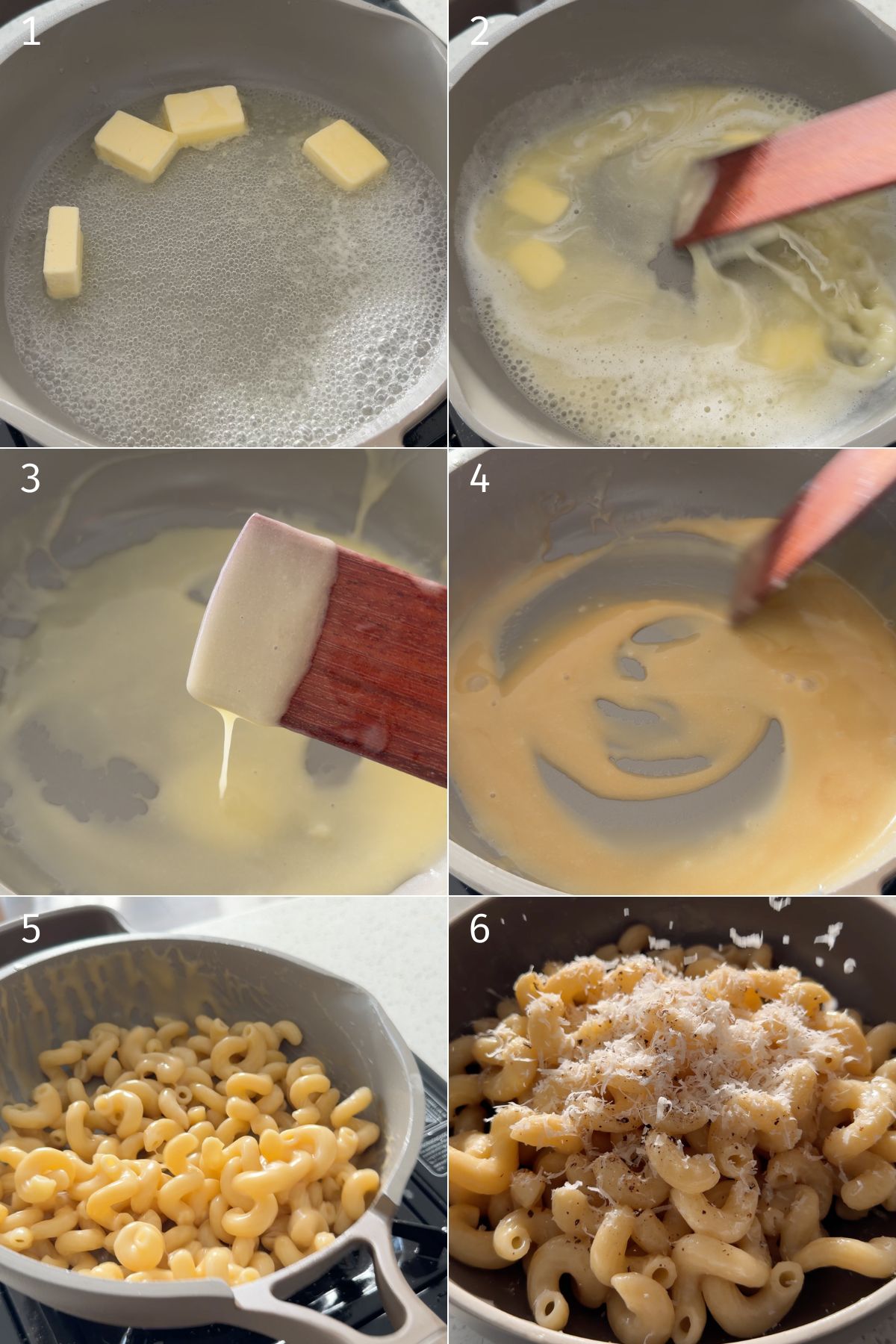
- Cook the pasta in salted water until just under al dente and save some of the starchy pasta water.
- Transfer some pasta water to a shallow pan and melt the butter, stirring vigorously to make a creamy, glossy sauce.
- Stir in the soy sauce and toss the pasta in the sauce until every strand is coated.
- Finish with black pepper and parmesan if you like and serve immediately.
VIDEO: Watch How to Make It
Lisa’s Recipe Tips
- Use less water to cook the pasta: Use slightly less water than usual so the pasta water is more concentrated and starchy. This helps create a creamier, glossier sauce.
- Save the pasta water: That starchy water is what makes the sauce creamy and helps it stick to every noodle.
- Use cold butter: Cubing cold butter and whisking it into the pasta water creates a glossy, emulsified sauce instead of greasy butter at the bottom of the pan.
- Don’t overcook the pasta: Cook it just shy of al dente. It will finish cooking in the sauce and stay perfectly tender without getting mushy.
- Revive dry noodles: If the noodles seem dry after reheating, add a bit more water than you think you need and stir well. The sauce will come back together as it warms up.
Variations
This is one of those recipes that’s really easy to tweak depending on what you’re in the mood for.
- Garlic butter: Use pre-made garlic butter instead of salted butter. You can also try my 1-pot garlic buttered noodles if you want to use minced garlic.
- Spicy: Add chili flakes or red pepper flakes to the pan early on so the heat infuses into the sauce. You can always add more at the end if you want it spicier.
- Bouillon or Chicken Stock: Stir in a small amount of Better Than Bouillon with the pasta water for a different flavour.
- Lemon: Finish with lemon zest or a squeeze of lemon juice at the end to brighten everything up and balance the richness.
- Miso instead of soy sauce: Swap the soy sauce for a small spoonful of miso for a slightly sweeter, more complex umami flavor. White or yellow miso works best here.
Serving Suggestions
These soy sauce noodles are great on their own, but sometimes I like to go big on toppings. A mountain of parmesan or pecorino romano makes everything creamy and rich. Adding some protein, like a fried egg, grilled chicken, or ground beef for some protein. Oh, and for veggies I love serving it with a simple salad like carrot salad with tofu cream or a Japanese cucumber salad.
How to Store and Reheat Leftovers
- Store leftover noodles in an airtight container in the fridge for 1–2 days.
- To reheat on the stove, warm gently over low heat with a splash of water or a bit of butter to bring the sauce back together.
- To reheat in the microwave, add a teaspoon or two of water and stir halfway through to keep the noodles from drying out.
Recipe FAQ
If your buttered noodles turn out oily or the sauce separates, it usually means the butter and pasta water didn’t emulsify properly. Butter is fat and naturally wants to separate from water. To avoid this, make sure you add some starchy pasta water, use cold butter, keep the heat low, and stir or whisk as the butter melts. This helps the fat and water combine into a silky, glossy sauce that clings to every noodle instead of sitting on top.
Cold butter helps create an emulsion when mixed with the pasta water. If you add melted butter, it just floats on the water and separates, leaving a greasy layer. Cold butter slowly melts into the starchy water, combining fat and liquid into a silky, glossy sauce that actually clings to the noodles.
More Easy Noodle Recipes
- Miso Butter Pasta
- Yaki Udon (Japanese Stir Fried Udon Noodles)
- Mushroom Pasta with Soy Butter Garlic Sauce
- Creamy Miso Mushroom Pasta (1-pot)
- Sesame Miso Butter Udon
- Shoyu Butter Udon
- Corn Mayo Udon
Enjoy! If you make this Soy Sauce Buttered Noodles recipe, I’d love to hear what you think! Leave a comment and rating below, and if you share it on social media, tag me on Instagram @Okonomikitchen. I can’t wait to see your creations!
PrintSoy Sauce Buttered Noodles
- Total Time: 15 minutes
- Yield: 2 servings
- Diet: Vegetarian
Description
Soy Sauce Butter Noodles are a quick, easy pasta you can make in about 10 minutes with just a few pantry ingredients. Butter, soy sauce, and starchy pasta water come together into a glossy sauce that coats every strand. Simple, comforting, and perfect when you want something fast but really good.
Ingredients
- 1/2 lbs (225 g) dry pasta
- 2 1/2 – 3 tbsp (37-45 g) cold salted butter, cubed
- 1–1.5 tsp soy sauce
- 1/4 cup pasta water
- Freshly ground black pepper
- Freshly grated parmesan, optional
Instructions
- Bring a pot of water to a boil. Use slightly less water than usual so the pasta water becomes extra starchy.
- Cook the pasta 1 minute less than the package instructions.
- While the pasta cooks, heat a large pan over medium-low heat. Add the pasta water and reduce heat to low. Add the cold cubed butter and whisk vigorously until emulsified and glossy. A light simmer is fine.
- Once the sauce is thick enough to coat the back of a spoon, turn off the heat. Stir in the soy sauce, then add the drained pasta and toss to coat.
- Adjust the sauce as needed by adding more pasta water if it’s too thick, or return to low heat and toss until it thickens.
- Finish with freshly cracked black pepper and grated parmesan. Enjoy!!
- Prep Time: 5 minutes
- Cook Time: 10 minutes
- Category: Dinner, Entree, Lunch, Main course, Pasta
- Method: Boiling, Stove Top
- Cuisine: Italian-Japanese fusion
Nutrition
- Serving Size: 1 serving
- Calories: 460
- Sugar: 2 g
- Sodium: 550 mg
- Fat: 22 g
- Saturated Fat: 13 g
- Unsaturated Fat: 9 g
- Trans Fat: 0.5 g
- Carbohydrates: 53 g
- Fiber: 3 g
- Protein: 12 g
- Cholesterol: 55 mg